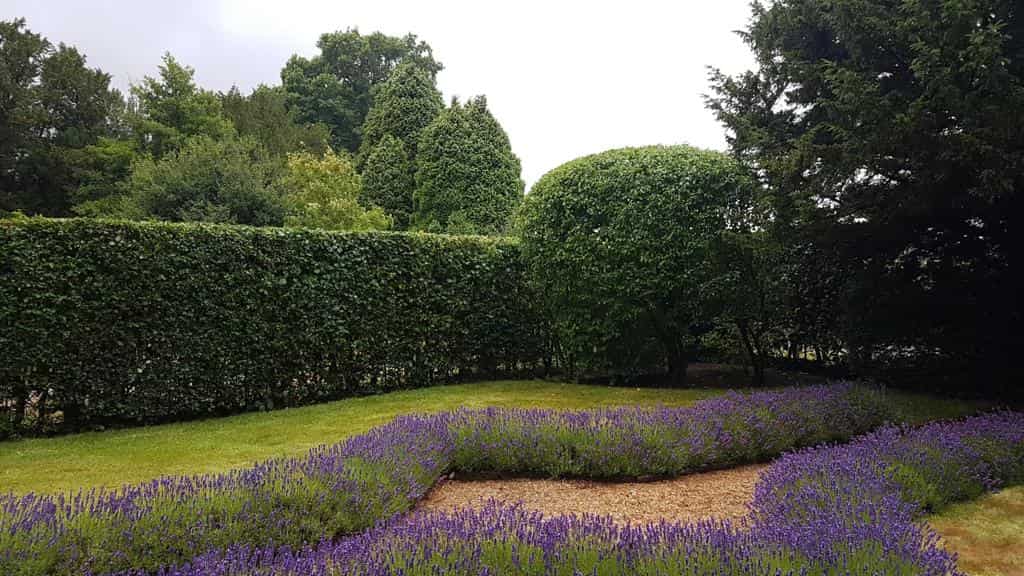
Tree surgery is most effective when a tree is considered as part of the wider garden rather than as an isolated feature. Its height, spread, roots and seasonal growth can influence light levels, planting, lawns, paths and how outdoor areas are used.
For homeowners in Southampton, Hampshire, planning tree work around the whole garden helps achieve a balanced result. It ensures that pruning or crown management addresses the immediate concern while also supporting the appearance, health and practical use of the surrounding space.
Taking a Whole-Garden Approach to Tree Surgery
A professional assessment should consider both the condition of the tree and its relationship with everything around it. This helps determine which work is appropriate, how much growth should be removed and what outcome will benefit the garden over the longer term.
Consider How the Tree Affects Natural Light
A large or dense crown can cast substantial shade across lawns, patios, windows and planted areas. However, removing too much growth at once may leave the tree unbalanced or encourage excessive regrowth.
Selective thinning, reduction or the removal of specific branches can improve light distribution while preserving the tree’s natural form. The correct approach depends on the species, condition and position of the tree, as well as the areas where additional light is most useful.
Protect Surrounding Plants and Lawn Areas
Trees compete with nearby vegetation for light, water and growing space. Dense canopies may weaken lawns and planting beneath them, while falling branches or poorly controlled growth can damage shrubs and borders.
Thoughtful tree surgery can improve conditions for surrounding plants without compromising the tree. This might involve lifting lower branches, reducing selected sections of the crown or removing deadwood that could fall into planted areas.
The timing and extent of the work should also reflect how established planting will be protected while operations are carried out.
Maintain Clearance Around Garden Features
Branches that extend over paths, patios, sheds or seating areas can gradually make a garden harder to use. Low growth may obstruct access, while heavy limbs above frequently used areas require careful assessment.
Planned pruning can create sensible clearance around these features. Rather than cutting back branches only when they become a serious obstruction, regular management allows their growth to be controlled gradually and more precisely.
Consider the Tree’s Long-Term Growth
A tree may fit its surroundings today but become unsuitable as its crown expands. Branches can move towards buildings, boundary features or other trees, and growing limbs may begin to dominate a smaller garden.
Tree surgery should therefore account for future development, not simply current appearance. Formative pruning on younger trees can establish a stronger structure, while measured crown management can help mature trees remain appropriate for their available space.
This forward-looking approach often avoids the need for more extensive intervention later.
Coordinate Tree Work With Garden Improvements
If landscaping, lawn installation, planting or patio work is planned, tree surgery should be considered at an early stage. Completing necessary pruning or removal first can provide better access and prevent newly finished areas from being disturbed.
It also allows the garden design to respond to the trees that will remain. Light levels, leaf fall, root competition and the eventual size of the crown can all influence where planting and usable outdoor areas are best positioned.
Coordinating the work produces a more cohesive garden and reduces the likelihood of one improvement creating difficulties elsewhere.
Preserve Balance Between Multiple Trees
Where several trees grow close together, work to one can affect the others. Removing or heavily reducing a tree may suddenly expose neighbouring crowns to more wind or alter the balance of light across the garden.
A whole-garden assessment considers how the trees interact. Selective work can then be planned so that one tree is not improved at the expense of another. This is particularly important where overlapping crowns have developed together over many years.
Plan Access Before Work Begins
Professional tree surgery often requires suitable access for equipment and the controlled movement of branches. Narrow paths, planting beds, fences and garden structures can influence how the work should be completed.
Assessing the wider garden beforehand allows working methods to be chosen carefully. It also helps identify areas that require protection and ensures that cut material can be handled without causing avoidable disruption.
Choose the Right Type of Tree Surgery
Different garden concerns require different solutions. Crown lifting may improve clearance beneath the canopy, while crown reduction can control height and spread. Deadwood removal addresses weakened branches, and selective pruning can correct crossing or poorly positioned growth.
The most appropriate method should be based on a clear objective. General cutting without considering the wider garden can produce an uneven tree, fail to resolve the original problem or create dense regrowth.
Avoid Treating Symptoms in Isolation
A branch obstructing a path may be the most obvious issue, but it may not be the only one. The crown could also contain deadwood, unbalanced growth or branches affecting nearby planting.
Looking at the whole tree and garden allows related concerns to be addressed together. This creates a more considered result and helps ensure that the completed work remains effective as the tree continues to grow.
Conclusion
Tree surgery should support the entire garden, not only alter the appearance of an individual tree. By considering light, access, surrounding plants, garden features and future growth, professional tree care can produce a healthier tree and a more practical outdoor space.
LM Tree Surgery Southampton provides professional tree assessments and carefully planned tree surgery in Southampton, Hampshire. If your trees are beginning to affect the balance or usability of your garden, contact us to arrange an assessment and discuss the most suitable approach.
Call us on: 023 8235 6065
Click here to find out more about LM Tree Surgery Southampton
Click here to complete our contact form and see how we can help with your tree needs.