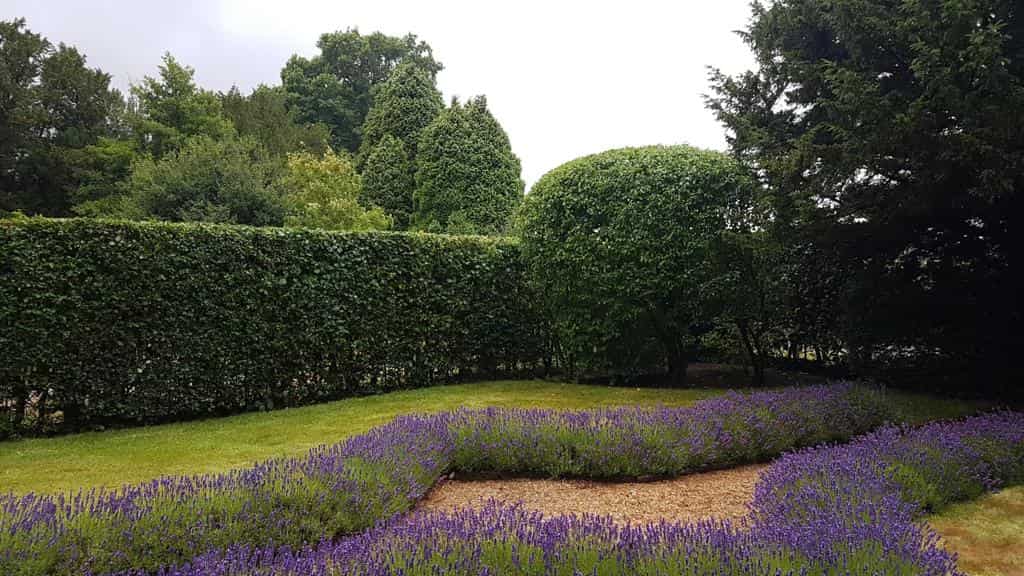
Trees are a valuable part of many gardens, but their size and shape can change considerably as they mature. A tree that once fitted comfortably within its surroundings may eventually develop a dense crown, long overhanging branches or growth that begins to interfere with buildings, driveways and other parts of the garden. At this stage, simply cutting back a few branches may not provide the right solution.
Professional tree surgery focuses on managing excessive growth while considering the tree’s health, structure and natural form. For homeowners in Southampton, West Sussex, recognising when an overgrown tree requires professional attention can help prevent avoidable problems and keep mature trees as valuable features of the landscape.
At LM Tree Surgery Southampton, we assess trees individually before recommending suitable work, ensuring that pruning and crown management are appropriate for both the tree and its surroundings.
When Is a Tree Actually Overgrown?
A large tree is not necessarily an overgrown tree. Mature trees naturally develop substantial crowns, and size alone is not a reason to prune them.
Problems arise when the tree’s growth is no longer appropriate for its location. This might mean branches extending too close to a building, excessive shading across the garden, an unbalanced crown or limbs obstructing areas that need regular access.
The important question is therefore not simply how large the tree has become, but whether its current size and structure are creating practical or structural concerns.
Branches Are Getting Too Close to the Property
One of the clearest reasons to consider professional tree surgery is when branches begin encroaching on buildings.
Overhanging limbs may:
- Make contact with roofs or exterior surfaces
- Obstruct gutters
- Extend across driveways or paths
- Interfere with windows
- Reduce clearance around the property
Simply cutting branches back to convenient points can leave poor pruning wounds or encourage undesirable regrowth. Professional pruning considers suitable cutting points and the overall shape of the remaining crown.
The Crown Has Become Excessively Dense
Trees naturally produce branches throughout their crowns, but some can become particularly congested.
Dense growth may reduce light penetration and airflow through the canopy. It can also create crossing, rubbing or poorly positioned branches that compete for space.
Depending on the tree, carefully selected pruning may help create a better-balanced crown without unnecessarily removing healthy growth.
Why Selective Pruning Matters
Professional tree surgeons do not simply remove branches until the tree looks smaller. Each cut changes how the tree grows and distributes its weight.
Selective pruning aims to achieve the required improvement while retaining a natural and proportionate structure.
The Tree Is Blocking Too Much Natural Light
Large, unmanaged crowns can cast significant shade over gardens and nearby rooms.
Some shade is one of the benefits of having established trees, but excessive canopy growth may leave parts of the garden permanently dark or restrict light reaching windows and planting areas.
Professional crown management may help improve light penetration while retaining the tree as an important landscape feature.
The objective is usually balance rather than excessive removal.
Large Branches Are Becoming Unbalanced
An overgrown tree does not always develop evenly.
Branches may extend heavily towards one side because of surrounding buildings, competition from other trees or the tree’s natural growth pattern. Long lateral limbs can also become increasingly dominant as they mature.
Where the crown appears noticeably unbalanced, a professional assessment can determine whether pruning would improve its structure.
Crown Reduction May Be Appropriate
For certain trees, crown reduction can decrease the overall height or spread while retaining the basic shape of the canopy.
This is skilled work. Removing too much foliage or making cuts in unsuitable locations can affect the tree’s future development, which is why substantial crown reduction should be carefully planned.
Dead Wood Is Developing Within the Crown
Overgrown trees can contain dead branches that are difficult to identify from ground level, particularly where the canopy is dense.
Dead wood can develop through natural ageing, shading, previous damage or declining branch health. Larger dead branches can eventually break away, making their condition particularly important where trees stand close to regularly used parts of the property.
Professional dead wood removal allows unsuitable branches to be removed while avoiding unnecessary pruning of healthy sections.
Branches Are Obstructing Access
Trees should be able to coexist with the practical requirements of the property.
Professional work may be appropriate where branches are restricting:
- Driveway access
- Garden paths
- Seating areas
- Regular garden maintenance
- Usable lawn or recreational areas
Crown lifting or selective branch removal can sometimes provide the necessary clearance without significantly reducing the overall size of the tree.
Previous Cutting Has Created Poor Regrowth
Overgrown trees are sometimes the result of earlier inappropriate pruning.
Cutting branches back indiscriminately can encourage clusters of vigorous new shoots. Rather than solving the original problem, this may produce a dense and awkward crown that requires further attention.
A professional tree surgeon can assess the previous pruning points, the resulting growth and the present structure before deciding how the tree should be managed.
Corrective work may need to be approached gradually rather than attempting to reshape the entire tree at once.
Why Heavy Cutting Is Not Always the Answer
When a tree has become too large for its surroundings, it can be tempting to remove a substantial amount of the crown immediately.
However, more pruning does not necessarily produce a better result.
Excessive cutting can remove too much foliage, spoil the tree’s natural form and trigger vigorous regrowth. Large unnecessary wounds can also place additional stress on the tree.
Good tree surgery is based on achieving a specific objective with appropriate, carefully selected cuts.
Different Trees Require Different Approaches
There is no universal pruning method suitable for every overgrown tree.
The appropriate work depends on factors such as:
Tree Species
Different species respond differently to pruning.
Age and Condition
A young, vigorous tree may respond very differently from an older specimen.
Crown Structure
The arrangement, size and condition of the branches influence what can reasonably be removed.
Surroundings
Trees close to homes, paths, vehicles or garden structures require particularly careful planning.
This is why an assessment should come before substantial tree work.
When Professional Tree Surgery Becomes Particularly Important
Minor garden maintenance and substantial tree surgery are very different tasks. Professional assistance becomes especially valuable when work involves large branches, significant height, difficult access or decisions that could affect the long-term structure of the tree.
Tree surgeons have the equipment and experience needed to access crowns safely, control removed sections and make pruning decisions based on the condition of the entire tree.
For homeowners in Southampton, Hampshire, this means tree growth can be managed without resorting to unnecessary or poorly planned cutting.
A Planned Approach Produces Better Long-Term Results
Managing an overgrown tree should ideally be approached with the future in mind.
Rather than asking how much can be removed, it is more useful to consider:
- What problem needs to be solved?
- Which branches are contributing to that problem?
- How will the tree respond to pruning?
- What shape should be retained?
- Will further management be beneficial as the tree continues growing?
This approach helps maintain healthy trees while keeping them suitable for their surroundings.
Conclusion
Overgrown trees do not automatically need heavy pruning, but professional tree surgery becomes important when growth begins interfering with the property, restricting light or access, creating an unbalanced crown, or producing problematic branches. The most effective solution depends on the individual tree, its condition and what needs to be achieved.
Carefully planned pruning can manage size, improve clearance, address unsuitable growth and help retain mature trees as attractive features of the garden. The key is to avoid random cutting and instead use appropriate tree surgery techniques based on a proper assessment.
For homeowners in Southampton, Hampshire, LM Tree Surgery Southampton provides professional tree surgery for overgrown and difficult-to-manage trees. If a tree in your garden is becoming too large for its surroundings, contact our team to arrange an assessment and discuss the most appropriate way to manage its future growth.
Call us on: 023 8235 6065
Click here to find out more about LM Tree Surgery Southampton
Click here to complete our contact form and see how we can help with your tree needs.